
"Ugandan coffee production"
400 article(s) found

Introduction to the characteristics of Ugandan coffee bean flavor and taste manor
Ugandan coffee is not a type of coffee that emphasizes rising aroma, as long as the raw beans are not and turn 100 or yellowed, they can generally have a good regional flavor, with a low ripe fruit aroma, such as the taste of red wine, and a thick mellow thickness. it is similar to some Kenyan beans with low flavor, but it also has a mild soil flavor, so it is similar to other products in East Africa in flavor characteristics.

Introduction of Ugandan boutique coffee beans with delicate taste and unique flavor
The coffee growing industry in Uganda is one of the pillar industries of its exports. Uganda is the birthplace of Robsta in Africa, just as Ethiopia is the origin of Arabica coffee, while Robster coffee was first discovered in Uganda. So far, Uganda has a history of growing coffee for more than 100 years. At the same time, Uganda is one of the few major countries in Africa dedicated to the production of organic coffee. In Wu

Introduction of Ugandan coffee beans with delicate taste and unique flavor
Mbale on the eastern side of Mount Elgon and other producing areas on the western side near the border of the Democratic Republic of the Congo have the export name Wugar. The official ranks are Oaganic (Organic), Bugisu AA, Bugisu A, Bugisu B, Bugisu PB, Wugar, Drugar and other unlisted grades. To find a good Ugandan coffee, you must first recognize BugisuAA and A.

Ugandan coffee beans with a delicate flavor introduce the mountains of Elgon and
Mbale on the eastern side of Mount Elgon and other producing areas on the western side near the border of the Democratic Republic of the Congo have the export name Wugar. The official ranks are Oaganic (Organic), Bugisu AA, Bugisu A, Bugisu B, Bugisu PB, Wugar, Drugar and other unlisted grades. To find a good Ugandan coffee, you must first recognize BugisuAA and A.

Introduction to the quality grades of Ugandan Coffee in the Western Ruwensori Mountains
The quality grade of Ugandan coffee: Bujisu Bugisu AA (only 4% of the country's total production) Bujisu Bugisu A Vago Wugar A (all above belong to washing treatment) and a small amount of sun-dried bean beads Drugar Bugisu Bugisu AA where AA indicates the grade of coffee, representing the highest grade in the country. Bugisu Bugisu grew up in Mt.Elg, eastern Uganda.

High quality Ugandan Coffee beans introduced to the Ruwensori Mountains in the West
The quality grade of Ugandan coffee: Bujisu Bugisu AA (only 4% of the country's total production) Bujisu Bugisu A Vago Wugar A (all above belong to washing treatment) and a small amount of sun-dried bean beads Drugar Bugisu Bugisu AA where AA indicates the grade of coffee, representing the highest grade in the country. Bugisu Bugisu grew up in Mt.Elg, eastern Uganda.

Introduction to the planting environment of Ugandan boutique coffee beans with delicate taste
According to the 1942 Constitution, Uganda adopted a federal system after its independence, and the kingdoms of Buganda, Bunioro, Toro and Ancole, as well as the Busoga Special District, were all members of the Federation. The people's Congress Party and the Kabakayeka Party form a coalition government, with Milton Obote, chairman of the people's Congress Party, as prime minister, and King Mutsa II of Buganda as president. The bipartisan alliance broke down in 1964

What is the reason for the low sour taste of Ugandan coffee beans? a brief introduction to the flavor description treatment
What is the reason for the low sour taste of Ugandan coffee beans? the Ugandan coffee industry is one of the pillar industries of its exports. Uganda is the birthplace of Robsta in Africa, just as Ethiopia is the origin of Arabica coffee. Robster coffee was first found in Uganda. So far, Uganda has a history of growing coffee for more than 100 years. Output

Flavor description of Ugandan coffee beans introduction to manors of variety producing areas by taste treatment
Mbale on the eastern side of the Elgang Mountains and other producing areas on the western side near the border of the Democratic Republic of the Congo have the export name Wugar. The official ranks are Oaganic (Organic), Bugisu AA, Bugisu A, Bugisu B, Bugisu PB, Wugar, Drugar and other unlisted grades. To find a good Ugandan coffee, you must first recognize BugisuAA and A.

Introduction to the flavor and taste characteristics of Ugandan coffee manor with low ripe fruit aroma
Ugandan coffee beans have a unique flavor of delicate taste, which is very suitable for making Italian and other flavors of coffee. More importantly, Ugandan coffee beans are strictly screened according to the standards of the international market to ensure their high quality and pollution-free characteristics. Africa is the hometown of two major varieties of coffee, Arabica and Robusta, while the eastern Africa enjoys a plateau water hometown and a pearl of East Africa.

Quality characteristics of uganda Ugandan Coffee Flavor description treatment
Ugandan coffee beans introduce the quality grade of Ugandan coffee: Bujisu Bugisu AA (only 4% of the total national production) Bujisu Bugisu A Vago Wugar A (above are water washing treatment) and a small amount of sun beans Drugar Bugisu Bugisu AA where AA indicates the grade of coffee, representing the highest grade in the country. Bugisu Bugisu growth

Introduction to the flavor of Ugandan coffee treated by washing method can Ugandan coffee be used for blending
Origin: East African processing methods: washing roasting grade: deep city + roasting suggestion: siphon pot / espresso coffee characteristics: rich aroma, well-balanced acidity, with lively and interesting fruit flavor with food: lemon cheesecake / citrus muffins / wild berry cheese related information: Uganda introduced Arabica coffee trees in 1900, while the northern Bugi

Taste of Ugandan Coffee Flavor Manor area introduction to the origin of fine coffee in Uganda
There are many transportation problems, so there are often raw beans with low moisture content and not green appearance. However, Ugandan coffee is not a type of coffee that emphasizes rising aroma, as long as the raw beans are not and turn 100 or yellowed, they can generally have a good flavor in the producing area, with low ripe fruit aromas, such as the taste of red wine, and thick mellow thickness. with some Kenyan beans with low tonality
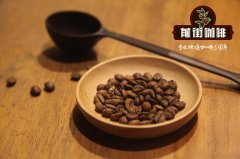
There are several kinds of Ugandan coffee beans. What's the flavor of Ugandan coffee drying treatment?
Professional coffee knowledge exchange more coffee bean information please follow the coffee workshop (Wechat official account cafe_style) front street-Uganda Coffee introduction Uganda is a landlocked country located at the source of the Nile and has a long history of coffee production as other East African countries, but the quality of coffee could not be improved because of the war caused by ethnic antagonism until the war 15 years ago.
There are several kinds of Ugandan coffee beans. The flavor of Ugandan coffee is stronger by drying treatment.
Professional coffee knowledge exchange more coffee bean information please follow the coffee workshop (Wechat official account cafe_style) front street-Uganda Coffee introduction Uganda is a landlocked country located at the source of the Nile and has a long history of coffee production as other East African countries, but the quality of coffee could not be improved because of the war caused by ethnic antagonism until the war 15 years ago.

A brief introduction to the planting characteristics of Ugandan Coffee Bean Flavor Manor
Uganda leads Africa in coffee production, accounting for more than 70% of its total exports. In the 1960s, Ugandan coffee production remained at 3.5 million bags a year. By the mid-1980s, coffee production had dropped to 2.5 million bags a year, mainly for political reasons. But now coffee production is on the rise again, currently about 3 million bags a year. Mainly exported to the European Union, including Germany and Italy

Description of taste and flavor of Ugandan coffee beans introduction of varieties produced by grinding scale treatment
Uganda coffee beans taste description grinding scale processing varieties introduced Africa is the hometown of the two major coffee varieties Arabica and Robusta, while Uganda, which is located in eastern Africa, which enjoys the reputation of plateau water and the Pearl of East Africa, is believed by many people as the birthplace of Robusta, Uganda coffee beans have a unique flavor, which is very suitable for making Italian style and other coffee.

Introduction to which is better to describe the taste and flavor of raw beans instead of Ugandan coffee
Uganda Coffee Uganda is a landlocked country in eastern Africa, straddling the equator, bordering Kenya to the east, Tanzania and Rwanda to the south, the Democratic Republic of the Congo to the west and Sudan to the north. Most of the territory is located in the Central African Plateau, with lakes, with an average elevation of 1000,000,000 meters above sea level. There are many lakes and plateaus in the mountains, which are known as the water villages of the plateau. The western branch of the East African Rift Valley runs through the western border, with many rivers and lakes at the bottom of the valley. Black Gan

Flavor and taste of Ugandan coffee beans the manor area introduces Uganda's boutique coffee beans.
Ugandan coffee is not a type of coffee that emphasizes rising aroma, as long as the raw beans are not and turn 100 or yellowed, they can generally have a good regional flavor, with a low ripe fruit aroma, such as the taste of red wine, and a thick mellow thickness. it is similar to some Kenyan beans with low flavor, but it also has a mild soil flavor, so it is similar to other products in East Africa in flavor characteristics.

The production of Ugandan Arabica coffee beans accounts for only 10% of the country's total coffee production.
In Uganda (Uganda), Arabica coffee beans account for only 10 per cent of the country's total coffee production, but it is enough to attract attention. Uganda's best coffee is mainly produced in the mountains of Elgon and Bugisu along the Kenyan border in the north and Ruwensori in the west, and is available for export in January or February of each year. Red